Nukleotidy: Simple Explanation of Building Blocks of Life
Introduction
Nukleotidy, also called nucleotides, are extremely important tiny molecules found in all living things. They are so small that we cannot see them with our eyes. But they play a huge role in how life works. Every plant, animal, and human needs them to live. Nukleotidy are the basic building blocks of two very important molecules called DNA and RNA. These molecules carry the instructions that tell cells how to grow, work, and stay alive. Without nukleotidy, life would not be possible. Scientists study them to understand genetics, health, diseases, and how life began. This article will explain what nukleotidy are, how they are made, where they are found, and why they are so important in a simple and easy way.
What Are Nukleotidy?
Nukleotidy are small chemical units that make up the long chains of DNA and RNA. DNA is the molecule that stores all our genetic information — the “instructions” for building our body and passing traits from parents to children. RNA helps carry instructions from DNA so that proteins can be made, which are essential for cells to function.
Every DNA or RNA molecule is like a very long chain made from many nukleotidy joined one after another. Think of nukleotidy like small beads on a string. When lots of these beads connect together, they form DNA or RNA. That is why scientists call nukleotidy the building blocks of life.
Parts of a Nucleotide
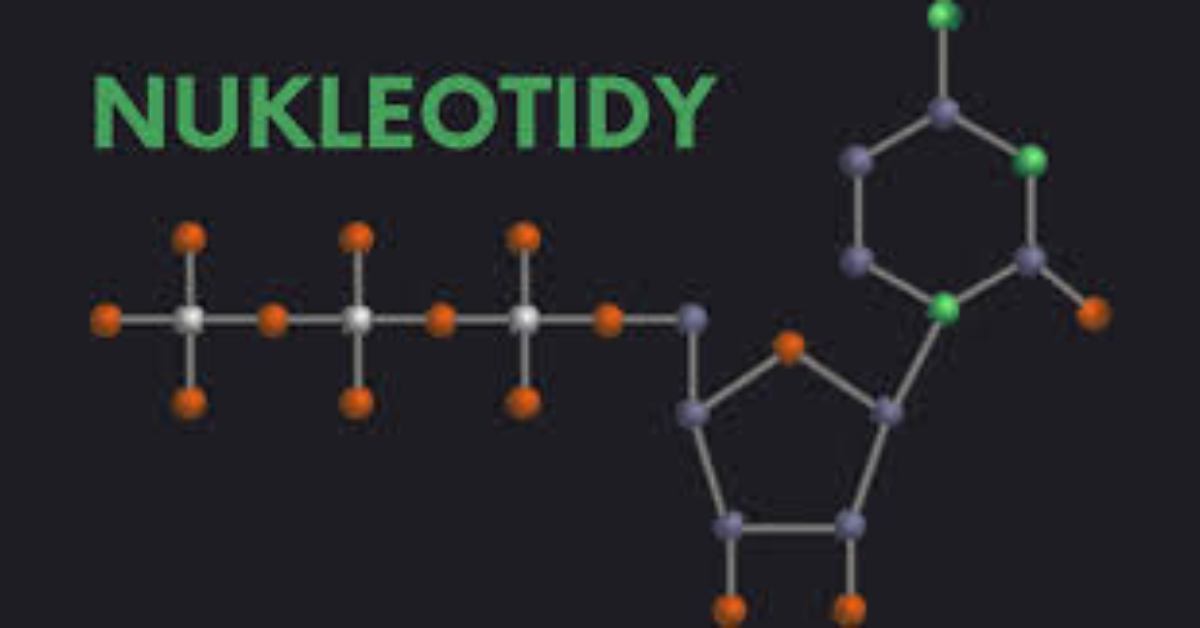
Each nucleotide is made of three main parts. These three parts fit together just like pieces of a puzzle. The first part is a sugar molecule, the second part is a nitrogen-containing base, and the third part is a phosphate group.
The sugar can be of two types. In DNA it is called deoxyribose, and in RNA it is called ribose. The difference between them is small, but it is enough to make DNA and RNA behave in different ways.
The base is a special chemical that contains nitrogen. There are five main bases that can be found in nukleotidy. In DNA these bases are adenine, cytosine, guanine, and thymine. In RNA, the base thymine is replaced by uracil. These bases are the parts that carry genetic information.
The phosphate group is a piece of the molecule that helps the nukleotidy link together. When many nucleotides join, the sugar and phosphate groups connect to form a long backbone or chain, and the bases stick out like steps on a ladder.
How Nukleotidy Form DNA and RNA
DNA and RNA are long chains of nukleotidy. The way in which these nucleotides join together is special. In DNA, two chains of nukleotidy come together to make a shape called a double helix — a twisted rope ladder. The bases on one chain connect with bases on the other chain. Adenine pairs with thymine, and guanine pairs with cytosine. In RNA, the molecule usually stays as a single chain, and adenine pairs with uracil instead of thymine.
These specific pairings are very important because they help DNA copy itself correctly when cells divide. This means that the genetic information can be passed from parent cells to new cells and from parents to children. The sequence, or order, of nucleotides in DNA and RNA is like a code. This code tells cells which proteins to make. Proteins are the workers inside cells that do all kinds of jobs, like building muscles, carrying oxygen, and fighting infections.
Why Nukleotidy Are Important
Nukleotidy do more than just make DNA and RNA. Some of them also help to give energy to cells. For example, ATP, which stands for adenosine triphosphate, is a type of nucleotide that cells use to store and release energy. When your body needs energy to run, think, or even breathe, ATP breaks down and releases energy that your cells can use. Without ATP, life would stop almost instantly.
Other types of nukleotidy help with communication inside cells. Some are involved in sending signals from one part of a cell to another. These signals help cells respond to changes, such as when your body needs more energy or when it needs to fight sickness. These signaling molecules make sure the body works as a coordinated whole.
Where Nukleotidy Are Found
Nukleotidy are found inside the cells of every living thing — from tiny bacteria to the largest animals and plants. Inside each cell is a central area called the nucleus. This is where most of the DNA of a cell lives. RNA, on the other hand, is found in many parts of the cell because it helps with making proteins whenever the cell needs them.
When you eat food, your body breaks many organic molecules down into smaller pieces. Some of these pieces can be reused to build new nukleotidy. The body is constantly breaking down old molecules and making new ones to keep cells healthy and working properly. This continuous process allows living things to grow, heal wounds, and replace old or damaged cells. Nukleotidy are involved in all these processes.
How Nukleotidy Help with Health and Science
Because nukleotidy are so important to DNA and RNA, they are also very important in medicine and science. Scientists study nucleotides to understand genetic diseases, how viruses work, and how cells grow and divide. By learning how nucleotides behave, researchers can find better ways to treat illnesses and develop medicines.
Genetic research also uses synthetic or man-made versions of nukleotidy. These can help scientists see specific parts of DNA and RNA more clearly or change the genetic code to fix mistakes. This is used in technologies like gene editing and in creating new medical treatments for diseases that were once difficult to treat.
Conclusion
Nukleotidy are small but powerful molecules that make up the very heart of life. They are the building blocks of DNA and RNA, which store and pass on genetic information. Each nucleotide has three parts — a sugar, a base, and a phosphate. They connect together in long chains that form the code of life. These tiny molecules not only help carry genetic instructions, but they also give cells energy and help cells communicate. Because of their many roles, nucleotides are studied closely by scientists and doctors who want to understand life, health, and disease better. Without nukleotidy, life as we know it would not exist.