Koriandri
Koriandri: A Plant That Brings Flavor and Health
Koriandri is a common herb used in many kitchens around the world. Some people call it coriander, and in parts of South Asia it is known as dhaniya. It comes from the plant Coriandrum sativum. The herb has been used for thousands of years in cooking, traditional medicine, and everyday life.
In this article, you will learn what koriandri is, how it is used, what it tastes like, and why it is good for our health. We will also talk about how people use it in different parts of the world. This article is written in simple English so that everyone can understand easily.
What Is Koriandri?
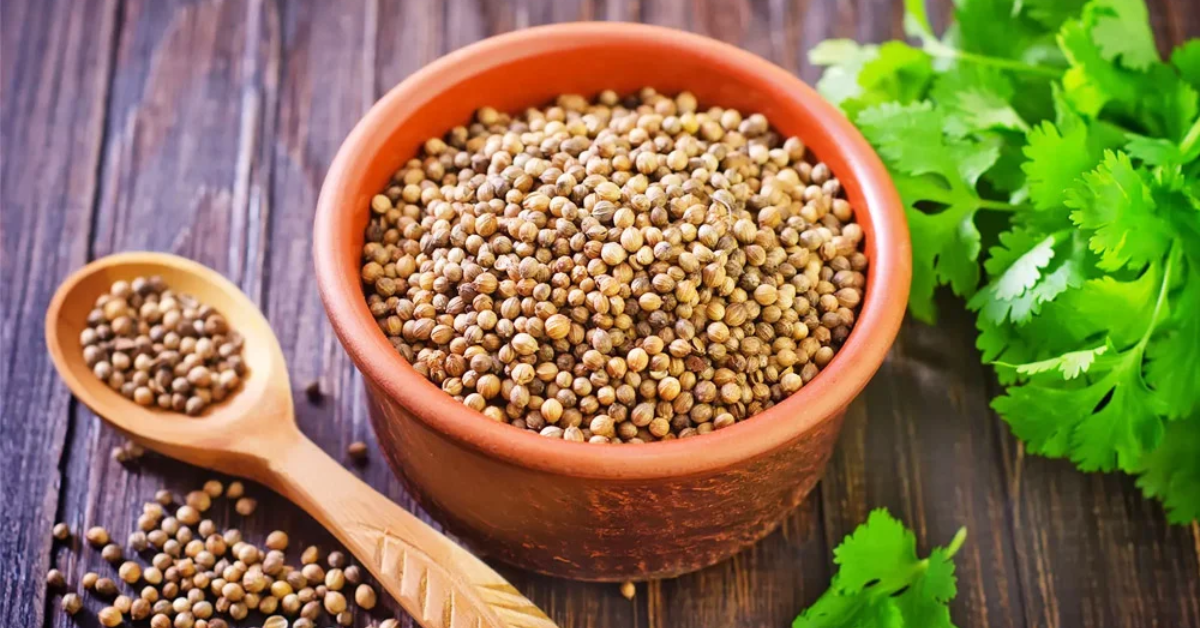
Koriandri is a plant that grows green leaves, small flowers, and round seeds. All parts of the plant can be used. The green leaves are often used fresh in food, and the seeds are dried and used as a spice.
In English, people sometimes use two words for it. When the fresh leaves are used, many English speakers call it cilantro, especially in the United States. When the seeds are used, the word coriander is used. But in many places — such as Europe and South Asia — the whole plant is just called coriander.
Koriandri has a long history and was used in ancient civilizations such as Egypt, Greece, Rome, and India. In ancient Egypt, coriander seeds were even placed in tombs as a symbol of eternal life and health. This shows how important the herb has been for many cultures over thousands of years.
What Does Koriandri Taste Like?
Koriandri has a unique taste that can surprise many people. The leaves have a fresh, bright, and slightly citrusy flavor, like a mix of lemon and herbs. Some people love this taste and use the leaves to add freshness to soups, salads, and sauces.
However, not everyone likes the taste of the leaves. Some people think fresh koriandri tastes soapy or strange. This difference comes from small variations in people’s sense of taste — some people are more sensitive to the natural oils in the leaves.
The seeds — when dried and ground — taste very different from the leaves. They have a warm, nutty, and slightly spicy flavor. When roasted, the seeds release a rich aroma that adds depth to many dishes.
How People Use Koriandri in Cooking
Koriandri is one of the most widely used herbs in world cooking. It appears in many different cuisines — from Asia to the Middle East to Latin America — because it brings both flavor and aroma to food.
In South Asian cooking, such as Indian and Pakistani dishes, fresh leaves are added at the end of cooking to give a bright, fresh taste. They are often used in curries, chutneys, breads like paratha, and rice dishes. Dried coriander seeds are used in spice mixes such as garam masala and curry powders.
In Middle Eastern cuisine, coriander seeds and fresh leaves are both used. The seeds are added to stews, breads, and kebabs, while the leaves are used in salads and garnishes. In Latin American cooking, fresh coriander leaves (called cilantro) are essential in dishes like guacamole, salsa, and fresh sauces.
Many chefs in Western countries use coriander seeds in baking, marinades, and pickling. The fresh leaves are also now popular in modern fusion dishes that mix different culinary traditions.
Nutritious and Healthy
Koriandri is not only tasty — it is also nutritious. The fresh leaves are low in calories but rich in vitamins and minerals. They contain vitamin A, vitamin C, and vitamin K, which are all important for the immune system, healthy eyes, and bone health.
The dried seeds have fiber, calcium, iron, magnesium, and other minerals that support good health. Although seeds have a different nutritional profile from leaves, both forms give valuable nutrients to the meals they are added to.
One important vitamin in coriander leaves is vitamin K, which plays a role in helping blood clot and in bone repair. Vitamin C helps the body fight infections and keeps the immune system strong.
Health Benefits of Koriandri
Many people use koriandri not just for taste but also for health. Traditional medicine systems like Ayurveda and Chinese medicine have used coriander for health benefits for a long time. Modern research is also showing that this herb may help in several ways
One of the most known benefits of koriandri is that it helps digestion. The compounds in coriander seeds can help the body break down food better and reduce problems like bloating, gas, and indigestion. A warm tea made from coriander seeds is sometimes used to soothe stomach discomfort.
Koriandri is also believed to have anti-inflammatory and antioxidant properties. This means it can help reduce swelling and protect cells from damage caused by free radicals. Free radicals are unstable molecules that can lead to aging and disease if they build up in the body.
Some studies show that coriander may support healthy blood sugar levels and may help the body manage sugar better. This makes koriandri useful in diets meant to maintain steady energy and avoid sugar spikes.
Additionally, koriandri may support heart health by helping maintain healthy cholesterol levels and blood pressure, and by boosting antioxidants that protect the heart. It is also thought to help the body detoxify, or remove harmful substances, by supporting the function of the liver and kidneys.
Some research even suggests the compounds in coriander may help the brain by reducing anxiety and protecting nerve cells. However, more studies are needed to fully confirm these effects.
Easy Ways to Use Koriandri Every Day
There are many ways to enjoy the flavor and health benefits of koriandri in daily life. You can add fresh leaves to salads, soups, juices, and sandwiches. A small handful of coriander leaves can make food taste fresher and more vibrant.
You can grind coriander seeds and add them to curries, stews, rice dishes, or even roasted vegetables. The seeds give a warm flavor that goes well with many types of food.
Some people drink coriander water — water boiled with coriander seeds — in the morning. This drink is believed to help digestion and detoxification. You can also make tea with coriander seeds and drink it warm.
If you have a garden or a small balcony, coriandri is easy to grow at home. It grows best in sunlight and well-drained soil. Fresh leaves can be picked regularly once the plant grows, so you always have them for cooking.
conclusion
Koriandri, or coriander, is more than just a spice. It is a plant that connects different cultures, cuisines, and health traditions around the world. From its ancient use in Egypt and Rome to its place in modern kitchens from India to Mexico, koriandri has always been important.
Its fresh leaves give brightness to food, while its seeds add warmth and depth. It is rich in nutrients and may support digestion, heart health, blood sugar balance, and detoxification. Even though some people find the taste unusual, many others enjoy its special flavor and aroma.
Koriandri is a simple herb — yet it gives so much: taste, health, and tradition. When you add it to your meals or drinks, you are taking part in a story that has been told for thousands of years.