Ceivir
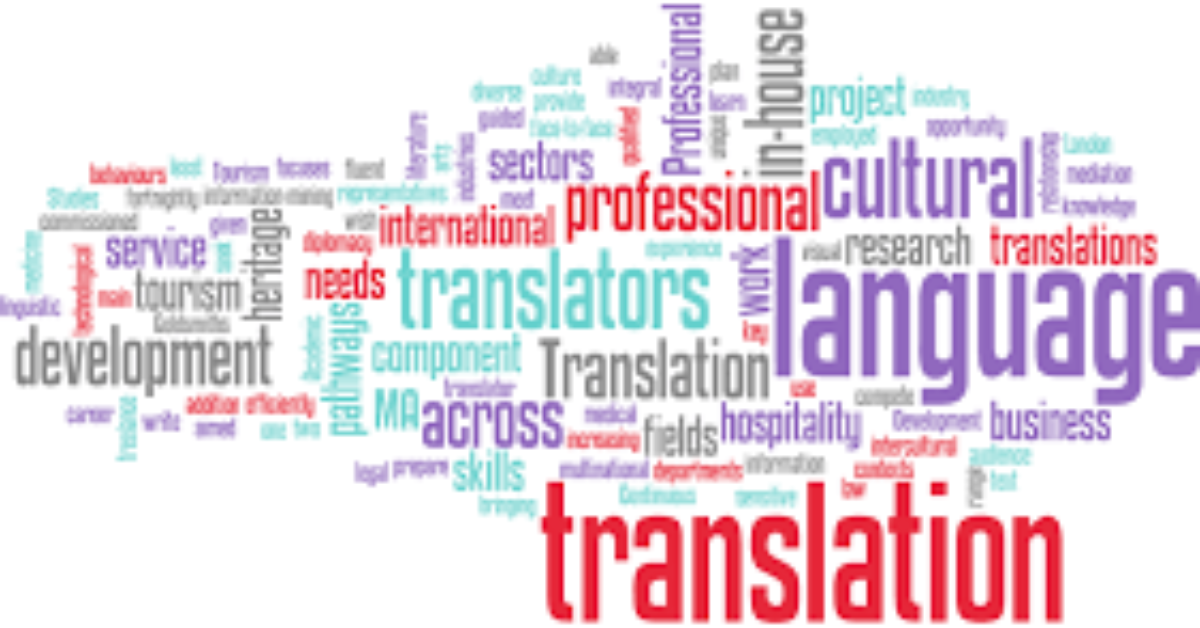
Have you ever seen the word “Ceivir” online and wondered what it means? Maybe you saw it in a post, a comment, or a search result and felt confused. This article will explain it in simple English so everyone can understand. We will talk about where the word comes from, what people mean when they use it, how it is used online, and why it has become a topic of discussion in recent years.
Where the Word Comes From
The word Ceivir is not a normal word in English. It comes from a Turkish word called “çevir,” which means to turn, to rotate, or to translate.
In Turkish language:
- it can mean turn a page,
- it can mean turn a key,
- or it can mean translate from one language to another
When Turkish speakers type fast or use a standard keyboard without special Turkish letters, they may replace “ç” with “c” and “i” with “ı.” Because of this, it can become written as Ceivir or Ceıvır online.
In other words, Ceivir is a stylized or changed version of a Turkish word. It is not an official word in dictionaries, but it has gained attention because of how it looks and how people use it on the internet.
The Basic Meaning of Ceivir
At its core, the idea behind Ceivir is still connected to the meaning of the original Turkish word: turning, changing, or translating.
Imagine you have a sentence in English and want to turn it into Turkish. You might say “çevir” to mean “translate this.” it represents that same action — the movement from one form or one language to another.
But because the spelling is different and not official, many people use it in new ways online.
Ceivir and Modern Technology
In recent years, some people and websites have used it as a name for digital tools and online services. Most often, these are tools that help with translation or communication across languages.
For example, in the modern digital world:
- People want to talk to others in different countries.
- Businesses need to translate documents for global customers.
- Travelers want help reading menus and signs in foreign languages.
In these situations, technology that can translate or convert language quickly is very useful. Some services inspired by the Turkish root have used the word Ceivir to describe their digital translation tools that make it easy to understand different languages.
So today, Ceivir can be used as a name or idea for tools that help people:
- translate text instantly,
- talk with people who speak other languages,
- or understand written content on websites from around the world.
Ceivir in Internet Culture
Besides technology, it has taken on a life of its own online. Many people use it on social media platforms, discussion forums, and comments not just for translation meaning but as a fun or mysterious word.
In some online communities, Ceivir is used like a slang word — that means people put it in comments to show:
- curiosity,
- humor,
- surprise,
- or even confusion.
Because it is strange and not in a dictionary, people find Ceivir interesting. It becomes part of internet language play where users enjoy using words that are unusual or look different.
Some users even treat it like a secret code or inside joke in certain groups. In these spaces, using Ceivir shows that you are part of the online conversation and understand the playful language that others might not.
Why People Are Curious About Ceivir
One big reason people talk about and search for Ceivir is that it looks unfamiliar and exciting. Many people think it might be:
- a new tech company,
- a brand,
- an app,
- or a futuristic word with deep meaning.
But the truth is that most of the time it is just a stylized spelling of a real Turkish word that became popular online because of how strange it looks to people unfamiliar with Turkish spelling or grammar.
Still, this unusual spelling has helped Ceivir spread across the internet. People see it in funny memes, social media posts, or language discussions and ask “What does this mean?” That curiosity helps the word stay alive in online culture.
The Cultural Connection and Transformation
Even though Ceivir is not an official or formal word, it does represent something deeper about language in the modern world. Language is always changing — especially with the internet.
In the past, words changed slowly over many years. But today, new words and meanings can appear quickly when people:
- type online,
- share posts,
- create memes,
- and communicate across borders.
Ceivir is an example of this change. It started from a normal Turkish verb and became something different online — a digital cultural phenomenon. It shows how language changes faster now because of technology and social media.
How Ceivir Connects People
One positive thing about Ceivir — especially in its original meaning — is that it reminds us of the importance of communication across languages. The idea of translating or turning meaning from one language to another helps people:
- learn new things,
- connect with different cultures,
- and understand each other better.
This is a big part of life today because the world is more connected than ever. Whether we travel, work with people in other countries, or learn new languages online, services and ideas like translation help us communicate clearly.
In that sense, Ceivir represents a bridge — a connection between people and languages.
Conclusion: The Story of Ceivir
So what is Ceivir exactly? It is a word with roots in the Turkish language that means turning, rotating, or translating. When used today, it can refer to online tools that help people understand other languages, internet slang that people use for fun, or just a mysterious word that caught everyone’s attention online.
Even though it is not an official word in dictionaries, its popularity shows how language can change and grow in new environments like the internet. It teaches us that words are alive — they evolve with culture, technology, and communication.
In the end, Ceivir reminds us that language is not fixed. It moves, changes, and turns — just like its original meaning. And in a world where people speak thousands of languages, anything that helps us understand each other better is worth knowing about.