Holistic Living: Understanding the Whole Person
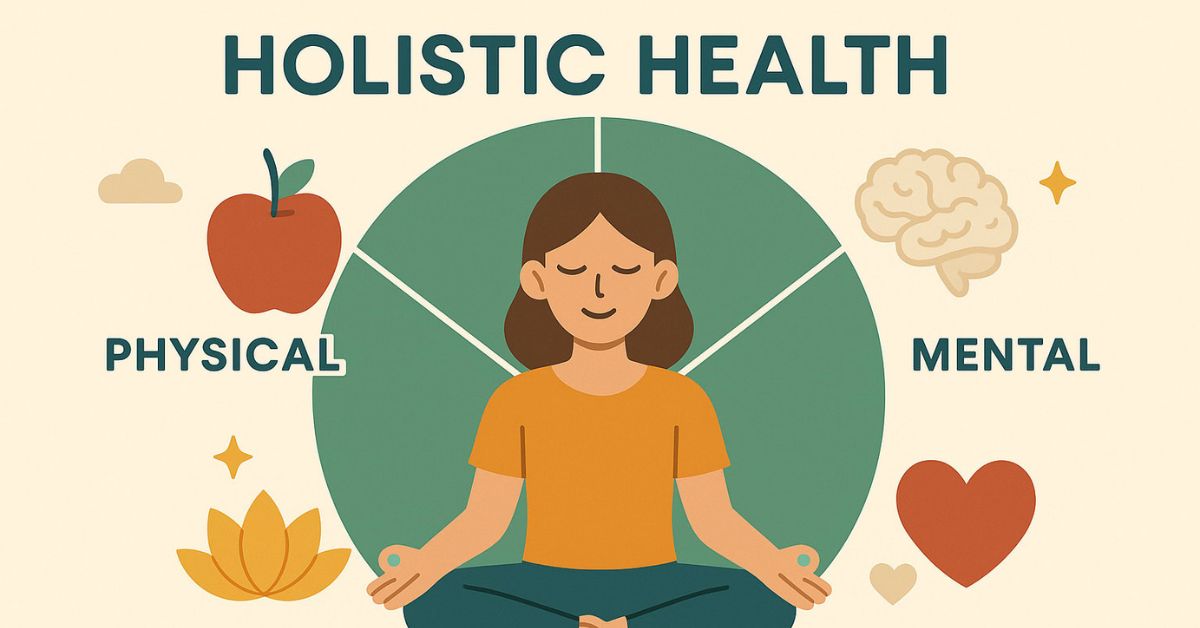
Holistic living is a way of thinking about life that looks at the whole person. It does not focus on just one part, like the body or the mind. Instead, it understands that the body, mind, emotions, and spirit are all connected. When one part is not well, the other parts are also affected.
The word “holistic” comes from the word “whole.” This means everything works together. Holistic living teaches us that good health and happiness come from balance in all areas of life, not just from medicine or exercise alone.
Many people today feel stressed, tired, or unhappy. Holistic living helps people slow down and understand what their body and mind really need. It encourages a more natural and balanced way of life.
The Connection Between Body and Mind
In holistic thinking, the body and mind are closely connected. If a person feels worried or sad for a long time, it can affect their physical health. They may feel tired, get headaches, or have trouble sleeping. In the same way, when the body is not healthy, the mind can feel weak or unhappy.
Holistic living teaches us to listen to our body. When we feel pain, stress, or discomfort, it is often a message. The body is telling us that something is not right. Instead of ignoring these signs, it is encourages us to understand and care for them.
Simple actions like regular movement, enough rest, and calm thinking can improve both body and mind together.
Emotional Health in a Holistic Life
Emotions play a very important role in holistic living. Feelings like happiness, anger, fear, and sadness are a normal part of life. Holistic living does not tell us to hide these feelings. Instead, it teaches us to understand and express them in healthy ways.
When emotions are ignored, they can build up inside us. This can cause stress and even physical illness over time. Talking to someone we trust, writing our thoughts, or spending time alone can help release emotional pressure.
it supports emotional balance. It reminds us that it is okay to feel different emotions and that self-care includes caring for our feelings too.
Mental Peace and Clear Thinking
The mind is very powerful. Our thoughts can affect how we feel and how we act. it encourages positive and calm thinking, but it also accepts that negative thoughts sometimes happen.
Mental peace does not mean having no problems. It means learning how to deal with problems in a calm and healthy way. Simple habits like deep breathing, quiet time, and focusing on the present moment can help the mind relax.
When the mind is peaceful, decision-making becomes easier. People feel more confident and clear about their life choices.
Spiritual Side of Holistic Living
Spirituality in it does not always mean religion. For some people, it can be prayer or religious practice. For others, it can mean feeling connected to nature, helping others, or understanding the purpose of life.
Spiritual health is about feeling meaning and connection. It is about knowing who you are and what matters to you. When people feel connected to something greater than themselves, they often feel calmer and more hopeful.
it respects all spiritual beliefs. It focuses on inner peace, kindness, and understanding rather than strict rules.
Holistic Health and Natural Balance
Holistic health focuses on prevention, not just treatment. Instead of waiting until someone becomes very sick, it encourages daily habits that keep the body strong and balanced.
Eating natural and healthy food, drinking enough water, sleeping well, and staying active are important parts of holistic health. These simple habits help the body heal and protect itself.
Holistic health also believes that everyone is different. What works for one person may not work for another. That is why it encourages people to understand their own body and needs.
Holistic Living in Daily Life
Holistic living is not something that only happens in special places. It can be practiced in everyday life. Small changes can make a big difference over time.
Spending time with family, enjoying nature, reducing stress, and finding time to rest are all part of holistic living. Even simple things like eating slowly or taking deep breaths during a busy day can help create balance.
it teaches us to live more mindfully. This means paying attention to what we do and how we feel, instead of rushing through life without noticing.
Benefits of Holistic Living
One of the biggest benefits of holistic living is balance. When all parts of life are cared for, people often feel more peaceful and energetic. They may also feel stronger emotionally and mentally.
People who follow its principles often feel more connected to themselves and others.
Another benefit is self-awareness. Holistic living helps people understand their own needs and limits. This makes it easier to make healthy choices.
Challenges in Holistic Living
Holistic living is not always easy. Modern life is busy, and people often forget to slow down. Stress, technology, and pressure can make it hard to stay balanced.
Sometimes people expect quick results, but it takes time. It is a gradual process of learning and growth. Patience is very important.
Even small steps matter. it is not about being perfect. It is about trying to live in a healthier and more caring way.
Conclusion: Living as a Whole
Holistic living is about caring for the whole person. It reminds us that health is not just about the body, but also the mind, emotions, and spirit. All these parts work together and need attention.
By living holistically, people can find more balance, peace, and happiness in their lives. It encourages natural habits, self-understanding, and kindness toward oneself and others.
This is a journey, not a destination. Every small step toward balance is valuable. When we live as a whole, we live better.